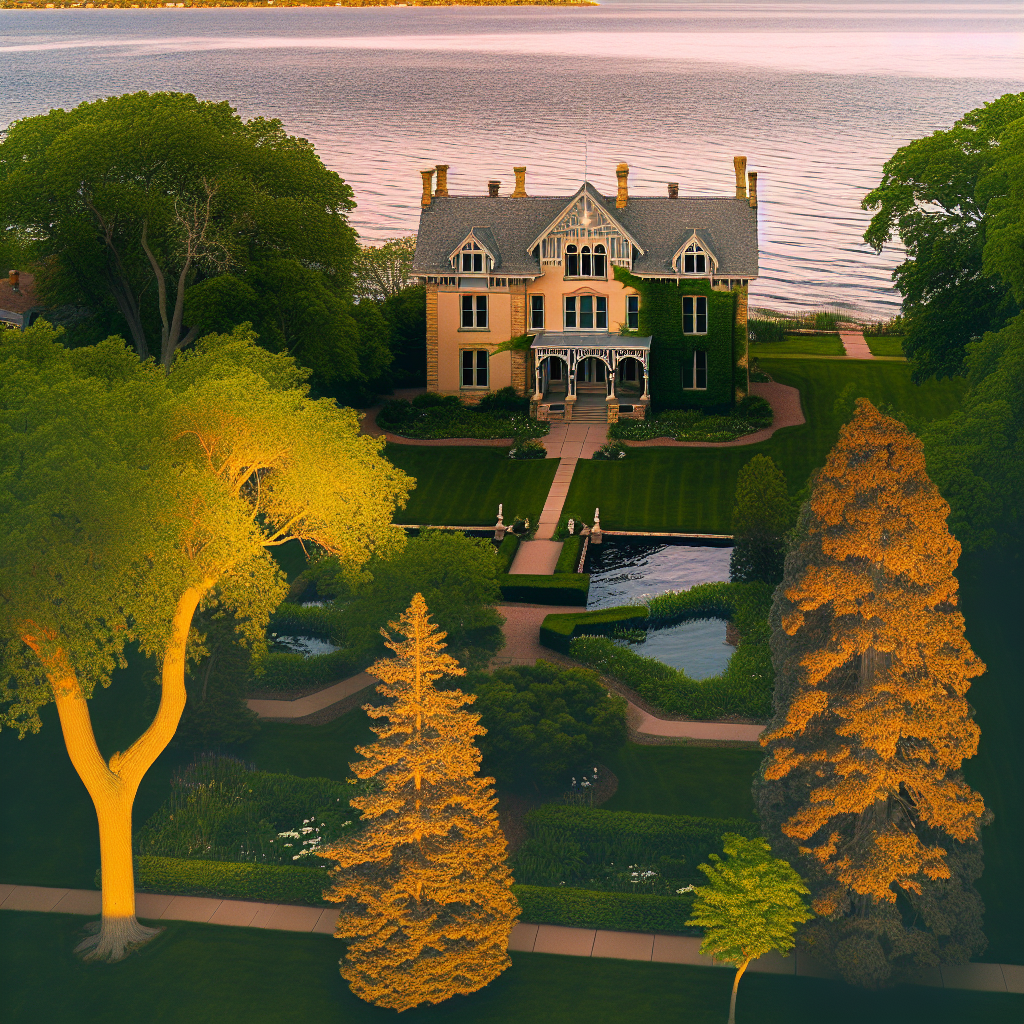
Lake Winnebago architecture offers far more than scenic backdrops—it tells stories of innovation, craftsmanship, and community pride. Encircling the largest inland lake entirely within Wisconsin, this region is a haven for travelers seeking culture, design, and lakeside charm. Whether you’re snapping photos of Prairie School gems or stepping through the doors of Gilded Age mansions, the architectural landscape around Lake Winnebago invites exploration, education, and awe. This guide showcases the standout structures across the lakeside towns—along with practical tips for families, solo adventurers, and history buffs.
Oshkosh: Victorian Mansions and Cultural Hubs
On the western shore of the lake, Oshkosh boasts a preserved district steeped in late 19th-century wealth and detail. Rich in logging history, its streets are lined with ornate homes, each whispering tales of a bygone era.
Begin your tour at the Paine Art Center and Gardens (1410 Algoma Blvd), a 1920s Tudor Revival estate designed for lumber magnates Nathan and Jessie Paine. This mansion-turned-museum features carved stonework, oak-beamed ceilings, and masterful iron details. Families can explore both the art collections and sculpted botanical gardens, where children can take part in crafts and workshops.
Nearby, the Grand Opera House (100 High Ave) showcases Romanesque and Victorian styles fused into a single dramatic venue. Don’t miss the ornate ceiling frescoes or the hand-carved balconies—check the calendar for a kid-friendly show or guided tour.
Insider Tip: Need a creative break? Sip a lavender latte at New Moon Café (401 N Main St) while sketching the historic façades lining downtown Oshkosh.
Neenah: Prairie School Lines and Glass History
Travel north along Lake Winnebago’s western shore to Neenah, a hub of early paper industry wealth and notable architecture influenced by Frank Lloyd Wright and the Prairie School movement. Beneath its suburban calm lies a haven for design enthusiasts.
First, head to the Bergstrom-Mahler Museum of Glass (165 N Park Ave). Originally a 1929 mansion, the museum features Chesterfield brick fireplaces, leaded-glass windows, and picturesque lakefront views—inside, thousands of glass pieces shimmer under natural light.
Outside, Riverside Park guides visitors past Prairie-style homes with horizontal lines, overhanging roofs, and open floor plans. Architecture aficionados will recognize motifs of Wright’s legacy.
Don’t miss the towering Kimberly-Clark clock tower, a Neogothic landmark visible from nearby Doty Park, particularly stunning during sunset.
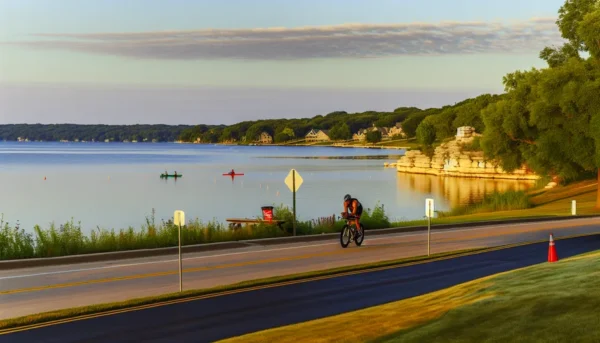
Family-Friendly Activity: Rent bikes at Cranked Bike Studio in Menasha and roll onto the Loop the Lake Trail, passing bridges, Prairie designs, and lakeside vistas all in one ride.
Fond du Lac: Brick Legacy Meets European Influence
Located on the southern edge of Lake Winnebago, Fond du Lac (“fountain of the lake”) blends industrial history with architectural elegance rooted in German and Dutch settler traditions. Its structures reflect a robust combination of function and flair.
Start at the Galloway House and Village (336 Old Pioneer Rd). This 1880 Italianate mansion anchors a recreated 19th-century village, complete with barns, chapels, and a one-room schoolhouse. Families enjoy interactive exhibits, while design lovers admire the mansard roofs and gingerbread trim.
Stroll downtown to discover revitalized brick warehouses transformed into trend-setting cafés and galleries. The Retlaw Plaza Hotel stands out with Art Deco flair and a cinematic past—it was built by film legend William Fox and named for his birth name reversed.
Local Secret: Visit the Thelma Sadoff Center for the Arts, housed in a restored 1930s bank. Climb to the rooftop terrace at dusk for breathtaking views of Fond du Lac’s church spires against the treeline.
Appleton and Menasha: Campus Elegance and Craftsmanship
At the lake’s northern crown, Menasha and Appleton surprise visitors with layers of architectural personality. Begin in Appleton at the Lawrence University campus, where Gothic stone towers mingle with eco-conscious modern buildings like the Warch Campus Center.
Wander through Chapman Hall and the Lawrence Memorial Chapel—structures that anchor campus life and reflect collegiate pride. Summer concerts frequently bring the greenspaces alive beneath historic facades.
Cross into Menasha’s Historic Island District for a humbler but equally rich glimpse of Lake Winnebago architecture. Stroll among Queen Anne cottages, Gothic Revival homes, and tree-lined avenues with deep roots in local culture.
Adventure Angle: Rent a canoe at Smith Park and paddle past these riverside homes for a unique perspective from the water. For more ambitious explorers, High Cliff Marina offers paddleboarding with views of modern lakefront chalets and historic boathouses alike.
Hidden Treasures: Off-the-Path and Unforgettable
Beyond the main towns, Lake Winnebago hides architectural depth in lesser-visited corners. One standout is the Holyland region, east of the lake. Here, villages like St. Anna, Marytown, and St. Peter showcase Gothic-style Catholic churches with tall, resonant bell towers—symbols of both faith and frontier resilience.
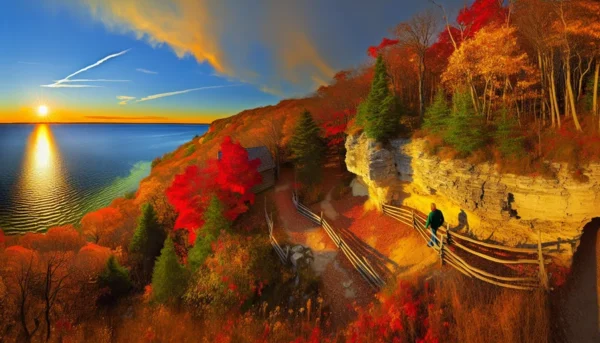
To the northeast, outside Sherwood, High Cliff State Park’s Observation Tower commands sweeping views of the lake. Though recently rebuilt for safety, its classic fire-tower form serves as a tribute to conservation heritage. Pair your visit with a walk through abandoned limestone kilns and quarry ruins that whisper of Lake Winnebago’s industrial age.
Traveler Tip: Pack a picnic for the Civilian Conservation Corps shelter inside High Cliff Park. Its timber braces and stone columns exemplify 1930s craftsmanship and make an idyllic lunch spot with design muscle.
Discover the Story Carved Into the Shoreline
Lake Winnebago architecture is a journey through the past and a celebration of design that touches every era. From Gilded Age showpieces in Oshkosh to Prairie School silhouettes in Neenah and the spiritual stoicism of Holyland chapels, the lakefront becomes a living museum. Whether you’re exploring industrial remnants or enjoying a lakeside café beneath Victorian turrets, this region offers an immersive road trip for design lovers and curious wanderers alike. Let the structures guide your route—the stories they tell are as rich as the waters that surround them.