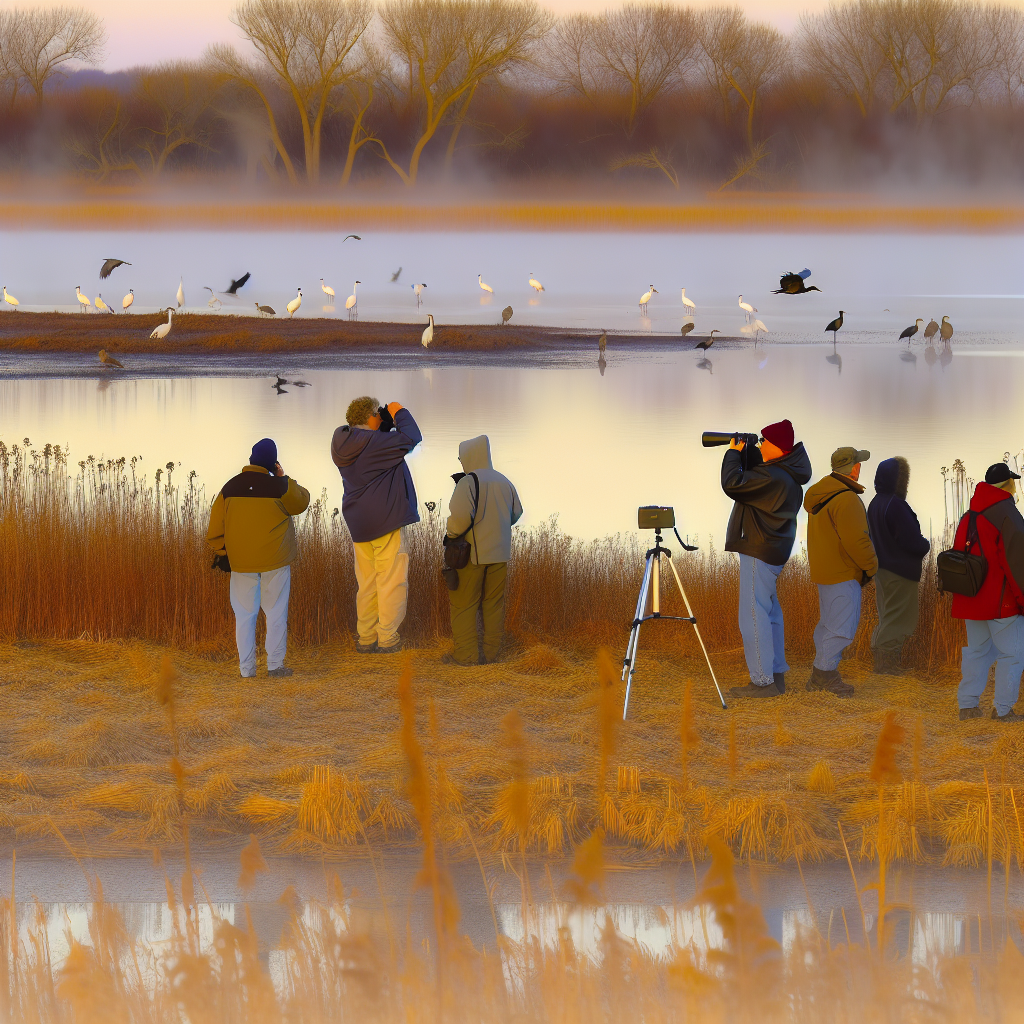
Lake Winnebago bird watching is a top-tier experience for nature lovers, framed by a rich mosaic of marshes, wooded shorelines, and more than 137,000 acres of open freshwater in east-central Wisconsin. Nestled between Appleton, Oshkosh, and Fond du Lac, this vibrant ecosystem serves as a prime avian destination in the Upper Midwest. With bald eagles soaring overhead and colorful warblers fluttering in thickets, Lake Winnebago offers something for birders of all skill levels year-round.
Why Lake Winnebago is a Birding Hotspot
Lake Winnebago’s diverse habitats attract a wide range of resident and migratory birds. As part of the Mississippi Flyway—one of North America’s major bird migration routes—the lake provides crucial rest and refueling areas for hundreds of species. During spring and fall migrations, skies fill with sandhill cranes, flocks of waterfowl, and a chorus of migrating songbirds.
Summer showcases nesting waders and territorial songbirds, while winter unveils the drama of bald eagles fishing along ice-edged shores. Eastern marshes offer prime feeding habitat, and the western side’s quiet islands host safe nesting zones. This variety makes Lake Winnebago bird watching a dynamic experience that changes with the seasons.
Top Birding Locations Around Lake Winnebago
To get the most from your trip, explore these top-rated birding spots around the lake, each offering unique terrain and bird species.
Horicon National Wildlife Refuge (Southern Extension)
Just 30 minutes from Fond du Lac, the southern edge of Horicon Marsh is a birding haven. Known as the world’s largest freshwater cattail marsh, it teems with geese, ducks, and cranes in spring. Boardwalk trails, a visitor center, and observation decks make this area accessible and family-friendly. April and May guided walks may reveal shy species like the least bittern or sora rail.
Terrell’s Island and the Oshkosh Area Wetlands
Near Oshkosh, Terrell’s Island offers a mix of wetlands, lake views, and forested paths. The 3.8-mile breakwall loop provides excellent views of herons, migrating ducks, and wood warblers. Mornings in April and May are especially productive as mist cloaks reed beds, creating a magical setting for both birders and photographers.
Lakeside Park, Fond du Lac
This centrally located park delights beginners and families alike. Wooden boardwalks and calm lagoons draw pied-billed grebes, red-winged blackbirds, and even occasional great horned owls. Climb the observation tower or rent a pedal boat for varied vantage points.
High Cliff State Park
Positioned northeast near Sherwood, High Cliff State Park blends avian activity with stunning geological and cultural features. The Red Bird Trail offers elevated views where peregrine falcons and turkey vultures soar. Watch for orioles and warblers filling the picnic grove trees during migration peaks in May and September.
Columbia Park and Pipe Creek Wildlife Area
This quieter stretch by the town of Pipe offers tranquil yet rewarding bird sightings. The viewing platform at Pipe Creek is ideal for spotting American white pelicans in warmer months. In winter, open waters near Columbia Park attract dozens of bald eagles as they hunt fish among floating ice.
Seasonal Highlights for Lake Winnebago Bird Watching
Knowing what birds to expect each season enhances your experience. Here’s what to look for throughout the year:
- Spring (late March–May): An explosion of activity. Warblers flush area woodlands, and marshes brim with teal, mergansers, canvasbacks, and Canada geese.
- Summer (June–August): Prime nesting time. See osprey, green herons, pelicans, and kingfishers. Low waterlines increase visibility of secretive marsh birds.
- Fall (September–November): Migrants return. Sandhill cranes, sparrows, hawks, and waterfowl pass through. Bluebirds linger until temperatures drop.
- Winter (December–February): A bald eagle showcase. Look for them near open water in Appleton and Oshkosh. Snowy owls may appear in open grasslands near airports.
Check eBird for real-time sightings or join local Facebook groups like “Birding Wisconsin” for community reports and updates during migration windows.
Practical Tips for Birding Around Lake Winnebago
Maximize your Lake Winnebago bird watching excursions with these local tips:
- Timing: Birds are most active early morning and late afternoon. Cloudy days improve visibility by reducing glare.
- Gear: Bring binoculars, and consider a spotting scope for marshes. Wear layers in spring/fall and rubber boots for muddy trails at Terrell’s Island or Pipe Creek.
- Mosquito Control: Marsh areas host many bugs in mid-summer. Use natural repellents or head nets for comfort.
- Family Activities: Turn outings into scavenger hunts or bring wildlife coloring books. Many parks have playgrounds and picnic shelters.
- Avoiding Crowds: Visit weekday mornings. Discover less-trafficked spots like Calumet County Park or the Peebles Trailhead for a peaceful experience.
Bonus Tip: Bundle up and head to the Appleton Locks on a winter morning. Bald eagles often perch nearby, and the Lawe Street Bridge offers exceptional sunrise photo ops with eagle flyovers.
Plan More Than Birding at Lake Winnebago
Extend your visit with outdoor excursions and cultural stops the whole family can enjoy:
- Eldorado Marsh Wildlife Area: Just west of Fond du Lac, this quiet marsh provides elevated viewing platforms and ideal habitat for marsh wrens and migrating swans.
- Paine Art Center and Gardens, Oshkosh: After your birding adventures, explore beautiful seasonal gardens and regional art exhibits housed in a historic estate.
- Heckrodt Wetland Reserve, Menasha: Family-friendly boardwalks and educational displays make it perfect for curious young minds and beginner birders.
- Wolf River Boat Tours: Launching from Fremont or Winneconne, these quiet pontoon cruises focus on wildlife—from herons in summer to eagles in winter.
Refuel and relax at local favorites like Zuppas in Appleton or Looy’s Brew in Neenah—both welcoming to wader-clad explorers. End the day in a cozy lakeside cabin, such as those at Sunset on the Water in Fond du Lac, where golden-hour sightings often include pelicans overhead or loons calling at dusk.
Discover the Joy of Lake Winnebago Bird Watching
Lake Winnebago bird watching isn’t just about checking species off a list—it’s a connection to seasonal rhythms, local ecosystems, and a sense of wonder. Whether watching wood warblers dart through budding trees, marveling at bald eagles soaring above frozen riverbanks, or introducing a child to their first crane call, this region invites you to slow down and look closer.
Bring binoculars, charge your camera, and tune your senses to the skies—Lake Winnebago is ready to reveal its winged wonders.